Preparations are underway for the exhibition “Šime Šandrić – Life and Work”, which will present the life and professional legacy of one of the most prominent boatbuilders from Betina in the second half of the 20th century.
With these words, Šime Šandrić described the importance of small wooden battens – templates used to transfer the lines of a wooden hull – which in boatbuilding represented the very foundation of each master craftsman’s knowledge.
“Daščice (small wooden boards). They are very important. They were never lent out – out of jealousy, so that no one else could take over your work.”
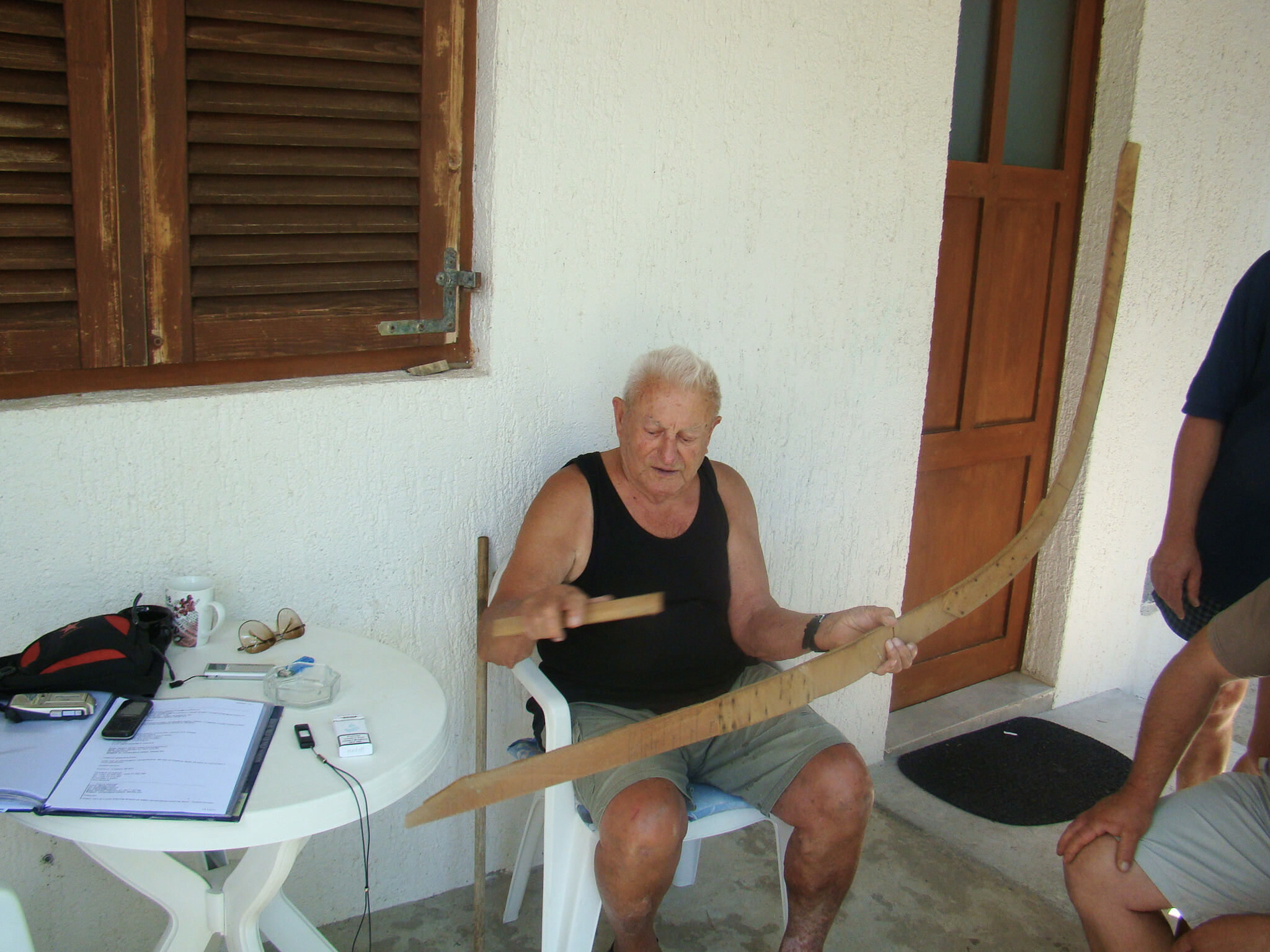
Šime Šandrić (1922–2014) was a versatile master of wooden shipbuilding: a boatbuilder, technical manager, and designer. Over the course of several decades, he participated in the design, construction, and reconstruction of numerous vessels – from traditional wooden fishing boats to sailing yachts, trawlers, tugboats, and tourist vessels for both domestic and international clients. His work encompassed a wide range of projects, with a particularly significant contribution to the development of technical drawings and templates, as well as cooperation with classification societies and supervisory institutions.
Alongside his boatbuilding career, Šandrić was also an active sailor. He took part in the construction and development of sports sailing boats and was involved in the activities of the former “Tehnika” association, today’s Sailing Club Žal in Betina. His work bridges the traditional knowledge of Betina’s wooden shipbuilding with technical modernization and the expansion of production toward new markets and vessel types.
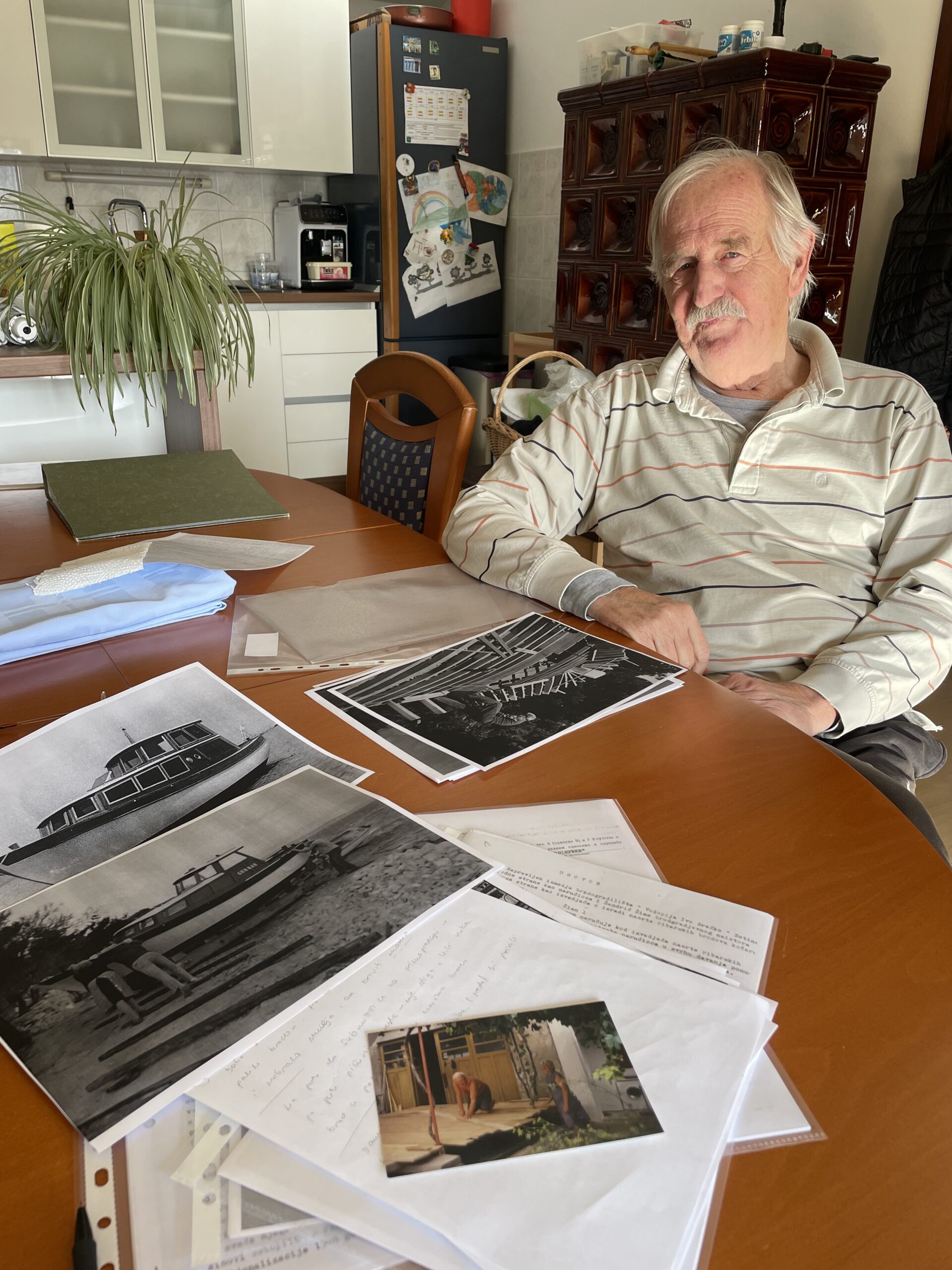
The exhibition is based on extensive archival and documentary material – original large-format drawings, templates, technical documentation, photographs of construction and launches, and correspondence – carefully collected by Šandrić throughout his life and preserved by his son, Vilije Šandrić. This material represents a valuable source for researching the development of Betina’s wooden shipbuilding in the second half of the 20th century.
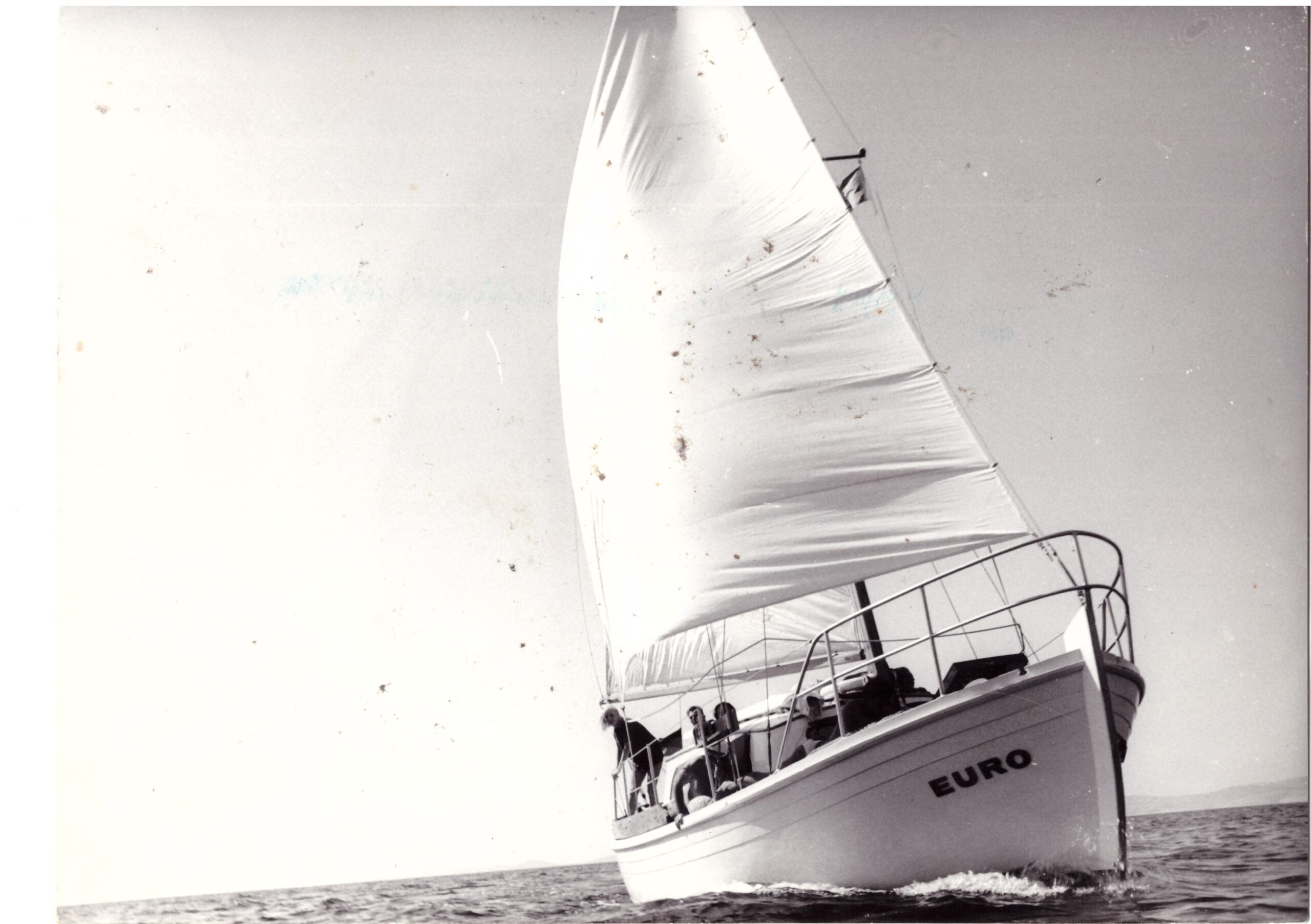
A particularly important segment of his work relates to the drafting and adaptation of plans and the development of technical solutions during the modernization of wooden shipbuilding. Among the projects to be presented are the Valkery yachts, fishing trawlers built for Algeria, and a number of vessels realized in cooperation with local fishing cooperatives and tourism companies.
“He made those drawings for the shipyard. That went on until 1970, while we were still in the old house. Some things he made at home for the yard. The work for the Vikings and Valkeries he also did at home, when the company Brodoimpeks awarded the Betina shipyard the contract for those sailing yachts. It started around 1957, when they brought the Viking plans and instructions on what needed to be done. The boats were to be built according to those plans. Later, however, there was a request to create, using the same templates for the hull section, a different and more comfortable version of the same length, with larger cabins, a larger stern, a different bow and mast, and a ballast keel below. It was in fact a completely different boat. The yard did not have anyone who could prepare all that for modification. He worked on that part directly for Brodoimpeks under contract. That is how the Valkery was created. The shipyard went into production using his templates. The Vikings were developed in 1956 and 1957 and were built elsewhere as well, according to the same plans. The Valkery came a few years later. There were international exhibitions in Europe – Genoa, Hannover, Ancona – as well as in New York and elsewhere, where the Vikings from Betina were exhibited. I found articles from that time in the archives of Slobodna Dalmacija…”
(from an interview with Vilije Šandrić)
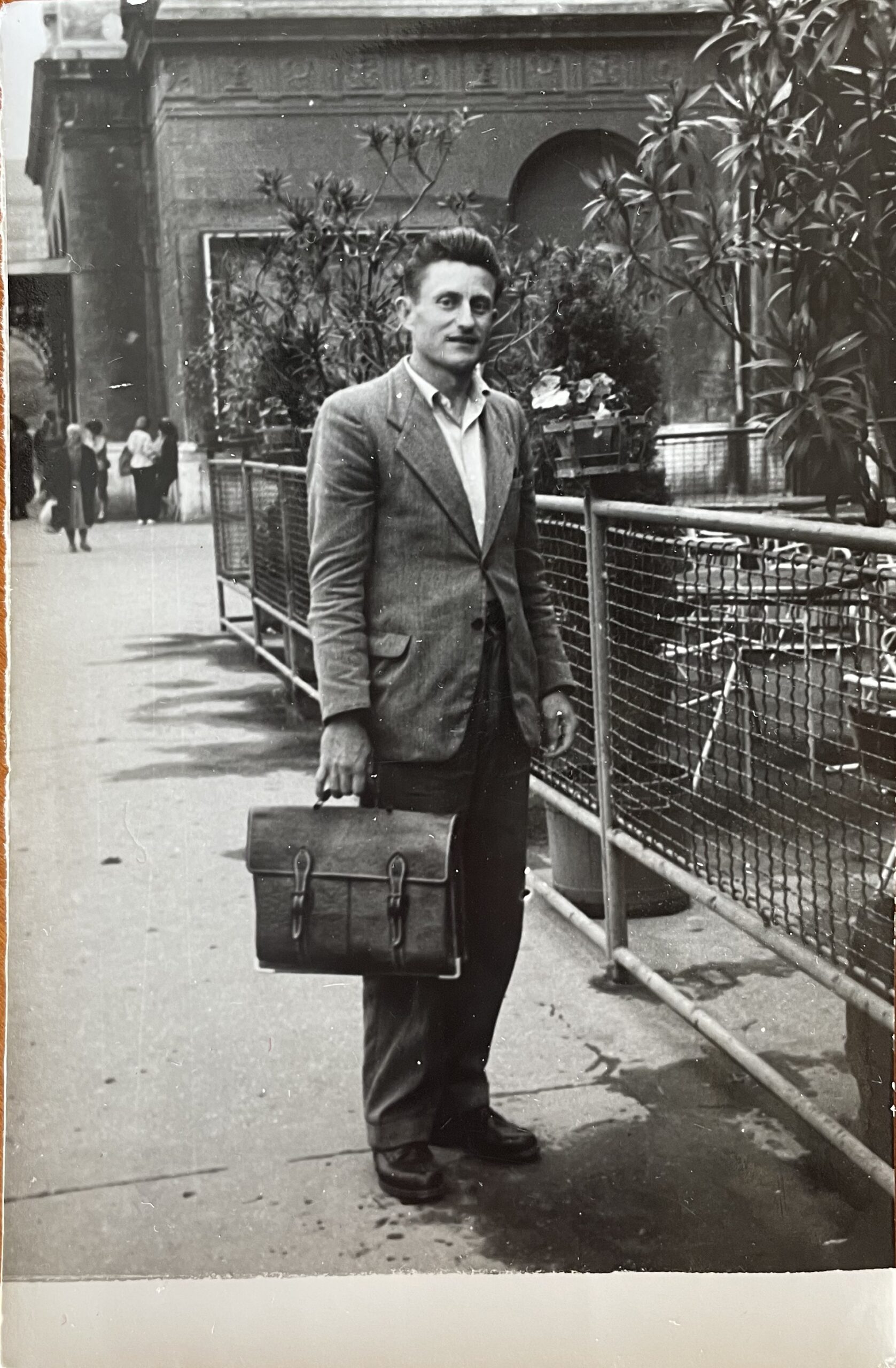
The exhibition will chronologically and thematically follow Šandrić’s professional path: from his apprenticeship in the family shipyard in his native Betina, through his post-war work and professional development, to the management of complex projects and cooperation with domestic and international clients. Special emphasis will be placed on his long-standing work at the Betina Shipyard and Marina, where his projects and technical solutions marked decades of local shipbuilding development, as well as on his collaborations with other private shipyards in northern Dalmatia.
This exhibition represents the central exhibition project for 2026.
Šime Šandrić was not only a boatbuilder – he was also a meticulous documentarian of his own work. Throughout his life, he maintained a precise and well-organized archive of technical drawings, correspondence, cost estimates, photographs, and notes. Today, this archive provides a rare and valuable insight into the processes of wooden shipbuilding in the second half of the 20th century. Even after his retirement in 1981, he continued working on numerous projects with Croatian shipbuilders, providing drafting services for the Croatian Register of Shipping, producing templates, and supervising vessels during the construction phase.
Through the realization of this exhibition, we preserve not only the memory of an exceptional individual in the history of Betina, but also highlight the crucial role of individuals in the transmission of knowledge and the lasting cultural and economic value of wooden shipbuilding within the local community.
The exhibition is supported by the Ministry of Culture and Media of the Republic of Croatia.